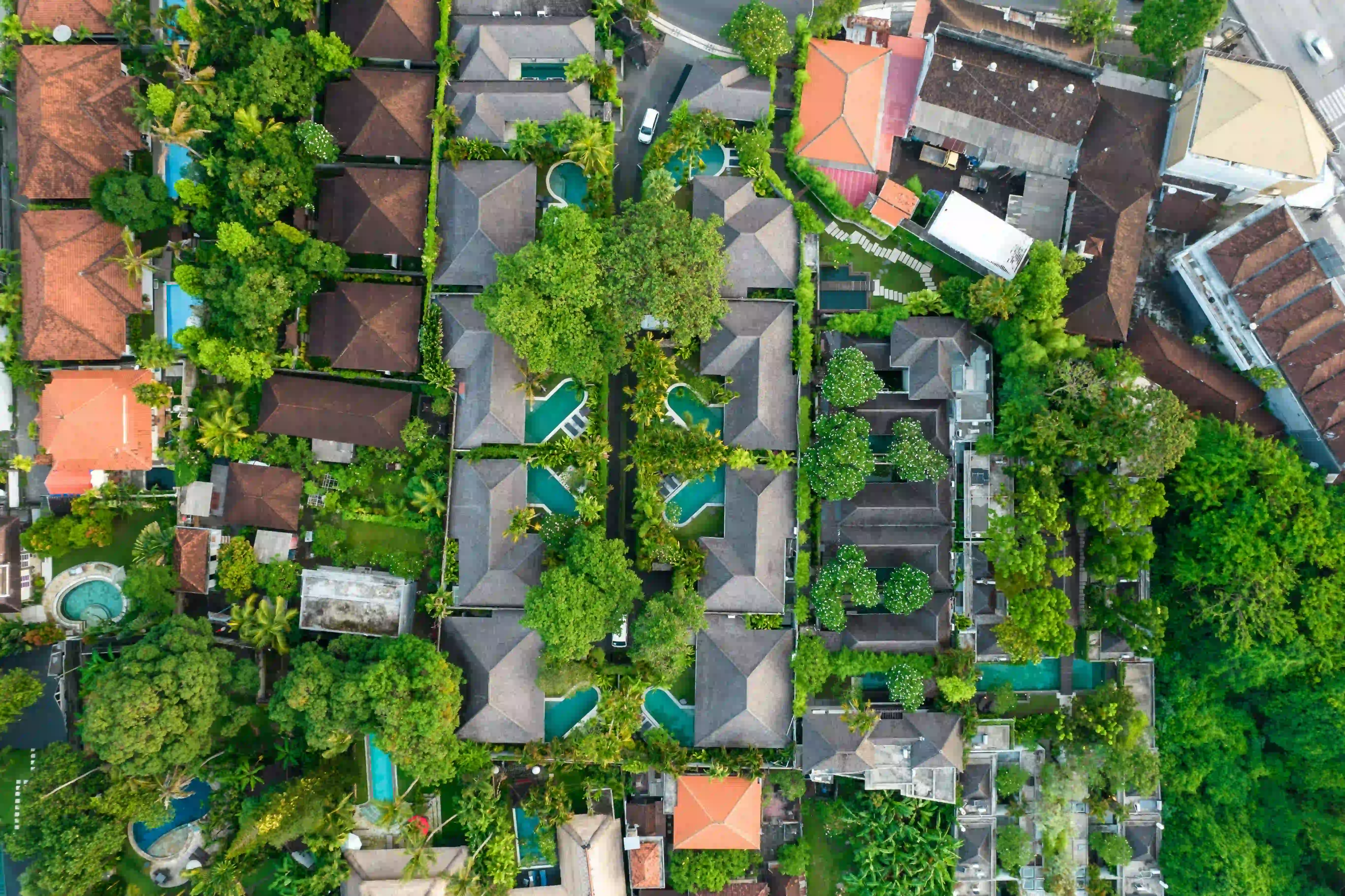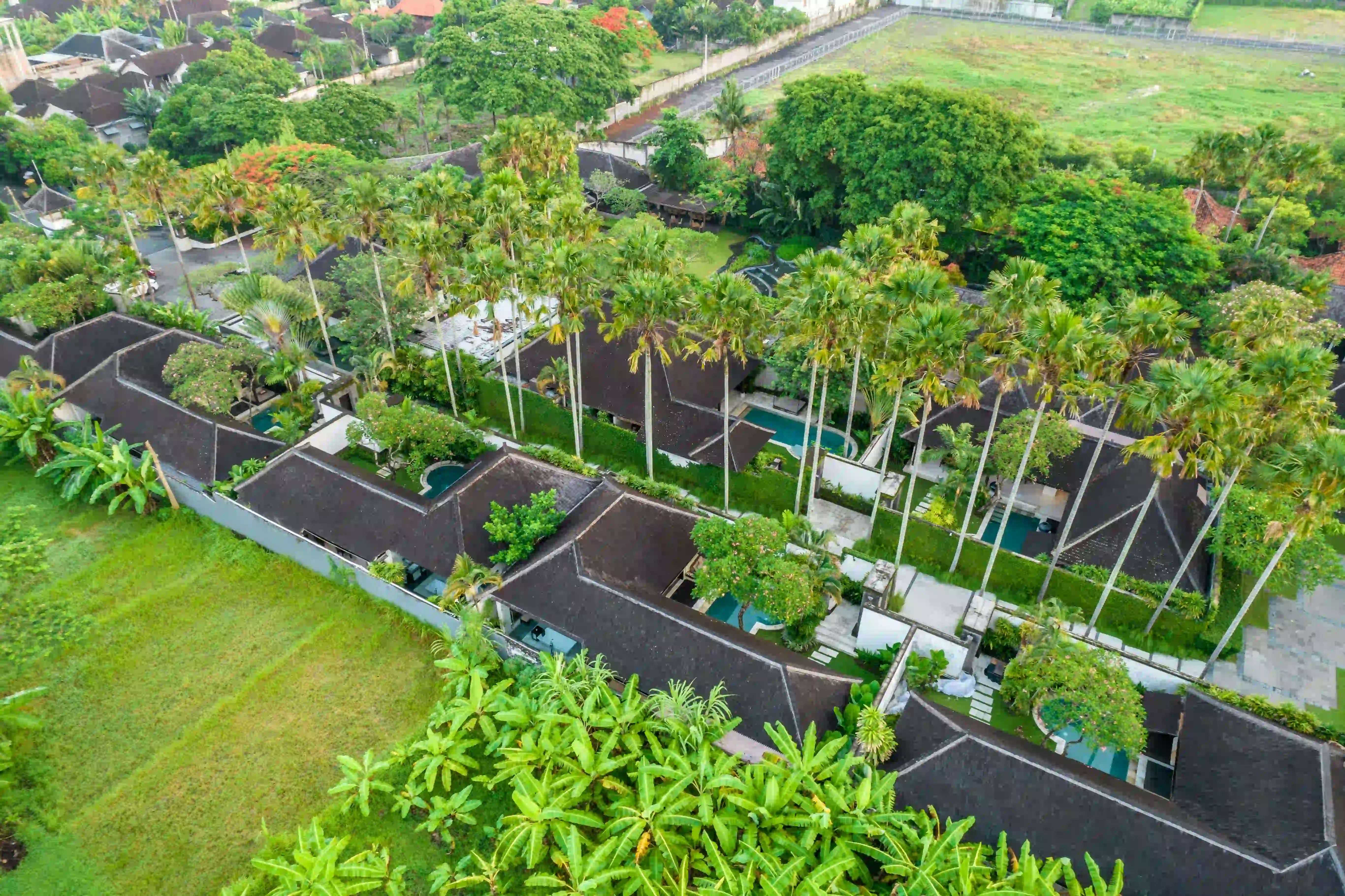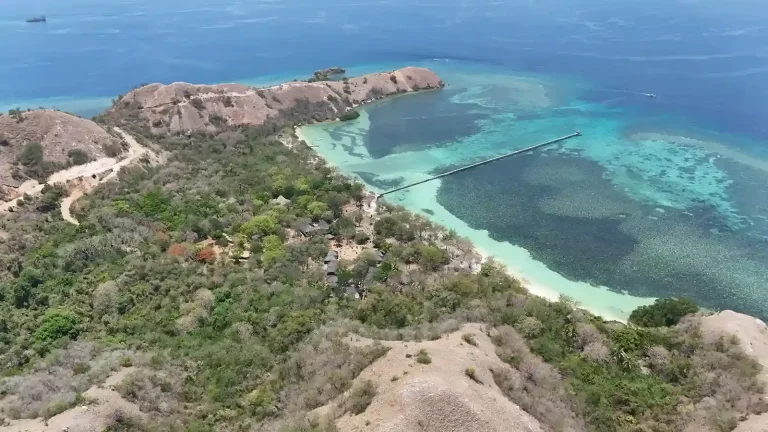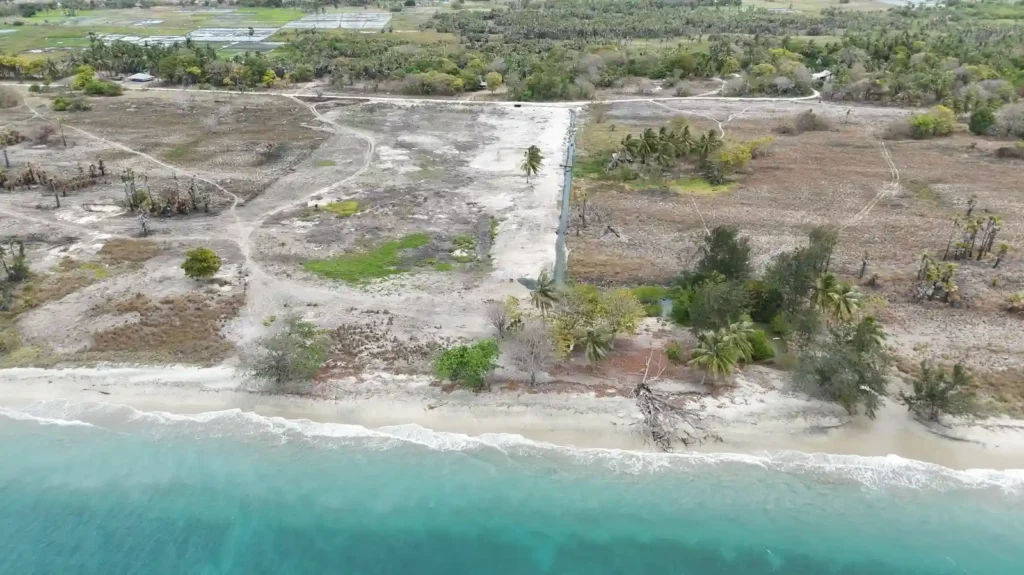
The equatorial sun warms the turquoise waters surrounding Serangan Island, a tranquil canvas for Indonesia’s next strategic economic endeavor. This island, near Denpasar, is the designated site for a transformative initiative: the Bali International Financial Center.
The Bali IFC: A Strategic Imperative for Indonesia
The Indonesian government is preparing Bali as an international financial center located in the Kura Kura Bali Special Economic Zone on Serangan Island, near Denpasar. This ambitious project, endorsed by President Prabowo Subianto, represents a significant step in strengthening Indonesia’s national economic competitiveness by attracting global investors. The Kura Kura Bali Special Economic Zone is being positioned as a financial sector SEZ to host an international financial center and related business services. This designation underscores a clear governmental intent to cultivate a robust financial ecosystem beyond Jakarta. The proposed investment target for developing the international financial center in Bali is approximately 104.4 trillion Indonesian rupiah, or around 6 billion US dollars, signaling the scale of this national priority. This capital injection is earmarked for infrastructure development, regulatory frameworks, and operational facilities necessary for a world-class financial hub. The initiative reflects a broader strategy to diversify Indonesia’s economic footprint and integrate more deeply into global financial networks. Policy analysts and capital markets professionals closely monitor the regulatory timeline, anticipating the framework from OJK and Bank Indonesia that will govern this new financial jurisdiction. The establishment of the Bali IFC is not merely a regional development but a national economic pillar designed to attract foreign direct investment and foster innovation.
Regulatory Foundations and KEK Frameworks
Government regulations to establish a financial hub in the Kura Kura Bali SEZ are being finalized by Indonesia’s Coordinating Ministry for Economic Affairs. These regulations are critical for defining the operational parameters, tax incentives, and legal protections that will appeal to institutional investors and family offices. The Special Economic Zone (SEZ) framework in Indonesia, or KEK (Kawasan Ekonomi Khusus), provides a distinct regulatory and fiscal environment designed to stimulate economic activity. For the Bali IFC, this means specialized licensing, potentially streamlined bureaucratic processes, and specific tax regimes tailored for financial services. The Kura Kura Bali SEZ development concept includes an integrated innovation ecosystem combining business innovation, education, and environmental initiatives to support the financial hub. This holistic approach seeks to create a sustainable and attractive environment for both businesses and their talent. The comparison with established centers like the Dubai International Financial Centre (DIFC) is often drawn, particularly concerning independent legal frameworks and dispute resolution mechanisms. Indonesia’s commitment to establishing a competitive and transparent regulatory environment is paramount for the Bali IFC’s success. The ongoing finalization of these governmental decrees indicates an imminent operational phase, drawing attention from PE deal teams tracking the rollout.
Kura Kura Bali SEZ: The Anchor of the IFC
The Kura Kura Bali Special Economic Zone, situated on Serangan Island, serves as the physical and operational anchor for the Bali International Financial Center. This strategic location, close to Denpasar, offers connectivity and infrastructure while providing a distinct identity for the financial hub. The SEZ is explicitly designated as a financial sector SEZ, a clear signal of its specialized purpose. The master plan for Kura Kura Bali SEZ integrates various components beyond pure finance, creating a comprehensive environment designed to support the financial community. This includes an integrated innovation ecosystem that combines business innovation, education, and environmental initiatives. Such an approach aims to foster a vibrant community where professionals can work, live, and collaborate, attracting talent and fostering long-term growth. The development is designed to be self-sustaining, providing world-class facilities for offices, residential spaces, and supporting amenities. The approximately 6 billion US dollar investment target for the overall development of the international financial center in Bali underscores the scale and ambition of this project within the Kura Kura Bali SEZ. This investment covers not only the financial infrastructure but also the broader urban planning and environmental considerations that are integral to the SEZ’s concept.
Global Financial Hub Competitiveness and Foreign Investment Attraction
The planned international financial center in Bali is intended to strengthen Indonesia’s national economic competitiveness by attracting global investors. This ambition places the Bali IFC in competition with established and emerging financial hubs across Asia and beyond. To succeed, the center must offer compelling advantages in terms of regulatory clarity, tax efficiency, and operational ease. The framework being developed by Indonesia’s Coordinating Ministry for Economic Affairs, in conjunction with OJK and Bank Indonesia, is crucial for establishing this competitive edge. Key aspects under consideration include foreign ownership rules, capital repatriation policies, and dispute resolution mechanisms – all vital for reassuring institutional investors and capital-markets professionals. The Kura Kura Bali SEZ’s focus on an integrated innovation ecosystem, blending business, education, and environmental initiatives, is part of a strategy to differentiate itself. This holistic approach aims to attract not only financial capital but also intellectual capital and sustainable practices, aligning with global trends in responsible investing. The Indonesian government’s proactive stance in creating this specialized economic zone underscores its commitment to fostering an environment conducive to significant foreign investment. The success of the Bali IFC will be measured by its ability to draw a diverse range of financial entities, from multinational banks to fintech startups and private equity firms.
Regulatory Frameworks: OJK and Bank Indonesia’s Role
The regulatory framework for the Bali International Financial Center will be primarily guided by Indonesia’s Financial Services Authority (OJK) and Bank Indonesia. These two key institutions are responsible for overseeing financial stability and monetary policy within the country. OJK’s role will encompass licensing, supervision, and regulation of financial institutions operating within the Kura Kura Bali SEZ, ensuring adherence to prudential standards and investor protection. This includes banks, insurance companies, asset managers, and other financial service providers. Bank Indonesia, as the central bank, will oversee monetary policy and payment systems, ensuring a stable macroeconomic environment and efficient financial transactions within the IFC. The finalization of government regulations by Indonesia’s Coordinating Ministry for Economic Affairs will establish the specific legal and operational parameters under which OJK and Bank Indonesia will operate within the SEZ. This framework is expected to include provisions for specific tax incentives, streamlined business registration, and potentially a distinct legal system for commercial disputes, similar to models seen in other international financial centers. The clear and predictable application of these regulations is paramount for attracting sophisticated institutional investors and ensuring the long-term viability of the Bali IFC as a trusted financial jurisdiction.
Integrated Innovation Ecosystem and Sustainable Development
The Kura Kura Bali SEZ development concept includes an integrated innovation ecosystem combining business innovation, education, and environmental initiatives to support the financial hub. This holistic vision extends beyond mere financial transactions, aiming to create a vibrant and sustainable community. The integration of education components suggests the establishment of institutions or programs designed to cultivate talent for the financial sector, ensuring a skilled workforce for the long term. Business innovation initiatives will foster fintech development, venture capital, and entrepreneurial activity, positioning the Bali IFC as a hub for future-oriented financial services. Environmental initiatives are crucial for Bali, an island renowned for its natural beauty and ecological sensitivity. These initiatives will likely focus on sustainable infrastructure, renewable energy, and responsible resource management, aligning the IFC with global ESG (Environmental, Social, and Governance) investment principles. This commitment to sustainability can be a significant draw for family offices and institutional investors increasingly prioritizing responsible investing. The approximately 104.4 trillion Indonesian rupiah investment target supports this multi-faceted development, ensuring that the infrastructure for innovation, education, and environmental stewardship is robust and integrated. This forward-thinking approach aims to create a financial center that is not only economically powerful but also socially and environmentally responsible. For a deeper understanding of Indonesia’s broader economic context, consult resources such as the Economy of Indonesia on Wikipedia, and for the regional significance, the Bali Wikipedia page offers additional context.
Please note: Rules and regulations pertaining to financial centers, special economic zones, and investment policies are subject to change. Always consult with a licensed Indonesian professional for current figures and definitive advice.
Explore the strategic vision and ongoing developments shaping the Bali International Financial Center by returning to the homepage.